Winter Lip Conditions
Ever notice you or your kiddos experiencing some major dry lips as the weather gets colder?
You aren\’t alone. When the weather gets colder, I often notice more visits to the office with concerns with overly dry, cracked lips and skin, and the discomfort often prompts a visit. Probably the most common condition in adults and kids alike is called angular chelitis. Let\’s unpack that today.
Angular Chelitis
A common, inflammatory skin condition affecting the angles of the lips. Often dry, cracked, painful and sometimes looks honey crusted or quite red.
This can be caused most often by excess drool or licking dry lips, but sometimes can be caused or result in an overgrowth of either yeast or bacteria. And finally, it sometimes can be associated with conditions like diabetes, immunosuppression, or certain vitamin deficiencies. Sometimes it is related to dental or orthodontic devices causing rubbing or excess saliva production.


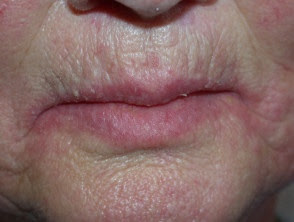
Sometimes a visit to your primary care team can help decide if there is a component of yeast or bacteria preventing recovery, and suggest a topical anti fungal or antibiotic to add on to the moisturizing barrier treatment that you have already been doing.
Finally, some cold sores can present in the seams of the lips as well, so another good reason to check in with primary care if you aren\’t seeing good results after a few weeks of moisture and barrier treatments.
As always, this doesn\’t replace medical advice and is not specific treatment advice, just general medical information which does not replace a visit with your primary care team for individual advice.
For More Reading:
https://dermnetnz.org/topics/angular-cheilitis/
https://www.aad.org/public/everyday-care/skin-care-basics/dry/heal-dry-chapped-lips
 Dr. Lorraine Sharp
Good to know. Thanks!
LikeLike